Cedars-Sinai Will Use New Award to Develop AI-Driven Drug Safety Platform
来源:Cedars sinai | 发布时间:2026-01-30
摘要:西达 - 赛奈医疗中心获得美国卫生高级研究计划局(ARPA-H)高达 5,054,235 美元的拨款,用于开发名为 KronosRx 的人工智能驱动药物安全平台,以解决药物研发中 30% 临床试验因药物不良反应失败的长期难题。 该平台核心是将 AI 工具应用于 “患者虚拟化身”—— 源自人类干细胞的复杂类器官和器官芯片系统,这类虚拟化身可通过少量细胞模拟人体器官功能及对实验药物的反应。AI 模型经西达 - 赛奈海量电子健康记录中的数百万匿名患者数据训练,不仅能预测药物安全性与毒性,还能结合患者年龄、健康状况、合并用药等因素,动态模拟风险演变,且覆盖不同患者群体。
西达-赛奈将利用新奖项开发人工智能驱动的药物安全平台
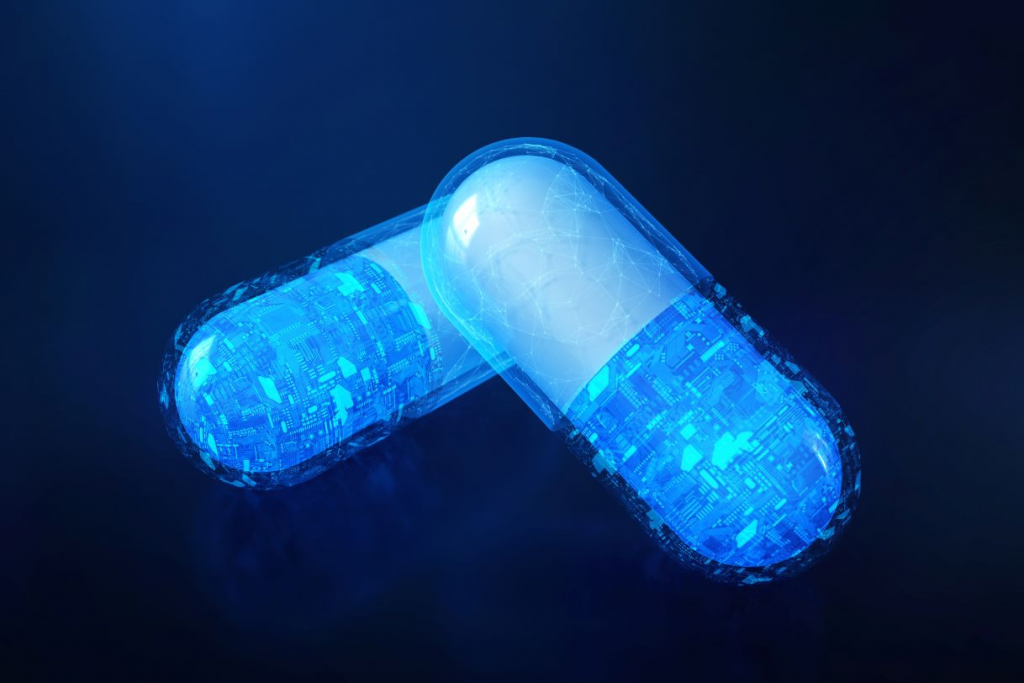
Cedars-Sinai receives an up to $5,054,235.00 award to develop KronosRx, a platform using AI and ‘patient avatars’ to predict adverse drug reactions, improve clinical trial safety. Image by Getty.西达-赛奈医疗中心获得了高达5,054,235.00美元的拨款,用于开发KronosRx平台。该平台利用人工智能和“患者虚拟化身”来预测药物不良反应,提高临床试验的安全性。图片由盖蒂图片社提供。
KronosRx Project Will Apply Artificial Intelligence Tools to ‘Patient Avatars’ to Predict Drug Toxicity, Reduce Clinical Trial FailuresKronosRx项目将把人工智能工具应用于“患者虚拟体”,以预测药物毒性,减少临床试验失败
By Cara Martinez作者:卡拉·马丁内斯
Cedars-Sinai has been awarded funding to develop an artificial intelligence-based platform that predicts drug toxicity before clinical trials begin, making trials safer for patients.西达-赛奈医疗中心获得了一笔资金,用于开发一个基于人工智能的平台,该平台能在临床试验开始前预测药物毒性,从而让患者的试验更加安全。
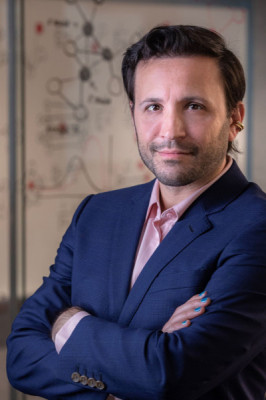
Nicholas Tatonetti, PhD 尼古拉斯·塔托尼蒂博士More than 30% of clinical trials fail due to adverse drug reactions, and the up to $5,054,235.00 contract award by the Advanced Research Projects Agency for Health (ARPA-H) Computational ADME-Tox and Physiology Analysis for Safer Therapeutics (超过30%的临床试验因药物不良反应而失败,美国卫生高级研究计划局(ARPA-H)为“更安全疗法的计算ADME-Tox和生理学分析”项目授予了高达5,054,235.00美元的合同。CATALYST) program, will address this longstanding challenge in drug development.催化剂)项目将解决药物研发中这一长期存在的挑战。
“Each year, many promising drugs fail in trials because animal tests and short-term lab studies cannot predict how medicines behave in real people over time,” said Nicholas Tatonetti, PhD, vice chair of Computational Biomedicine at Cedars-Sinai and the project’s lead investigator. “These failures delay lifesaving treatments and drive up drug development costs.”“每年,许多有前景的药物在试验中失败,因为动物试验和短期实验室研究无法预测药物在真实人体中长期的表现,”雪松-西奈医疗中心计算生物医学副主任、该项目的首席研究员尼古拉斯·塔托内蒂博士说,“这些失败延误了救命疗法的问世,并推高了药物研发成本。”
The new platform, called KronosRx, aims to reduce these failures by applying AI tools to “patient avatars”—sophisticated organoids and organ-on-chip systems derived from human stem cells—to help investigators predict drug toxicity that might otherwise harm clinical trial participants.这个名为KronosRx的新平台旨在通过将人工智能工具应用于“患者化身”(即源自人类干细胞的复杂类器官和器官芯片系统)来减少这些失败,帮助研究人员预测可能会伤害临床试验参与者的药物毒性。
The avatars use tiny numbers of cells to mimic the function of whole organs and their immediate response to experimental medications. The AI models in the platform are trained using millions of anonymous patient data points from Cedars-Sinai’s extensive electronic health record network. The resulting platform can forecast an organ’s response to a medication over time—and across the diverse population of patients reflected in the Cedars-Sinai data.这些类器官利用少量细胞来模拟整个器官的功能以及它们对实验药物的即时反应。该平台中的人工智能模型是利用来自西达-赛奈医疗中心庞大电子健康记录网络中的数百万匿名患者数据点进行训练的。由此产生的平台能够预测器官随时间对药物的反应,并且涵盖了西达-赛奈医疗中心数据中所反映的不同患者群体。
“These AI systems don’t just predict whether a drug is safe or toxic; they model how risk evolves dynamically, accounting for age, a patient’s health, and other medications they might be taking,” Tatonetti said.“这些人工智能系统不仅能预测药物是安全的还是有毒的;它们还能模拟风险如何动态演变,并将年龄、患者健康状况以及他们可能正在服用的其他药物都考虑在内,”塔托尼蒂说。
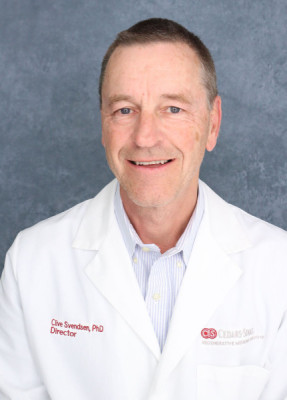
Clive Svendsen, PhD 克莱夫·斯文森博士
Investigators hope this approach will allow better predictive modeling that can evolve over time, reducing reliance on animal studies and improving safety for all patients.研究人员希望这种方法能够实现更好的预测建模,这种建模可以随着时间的推移不断发展,从而减少对动物研究的依赖,并提高所有患者的安全性。
“By creating a more reliable and human-relevant method for safety assessment, the KronosRx project aims to improve clinical trials and to shorten development timelines,” said Clive Svendsen, PhD, executive director of the Cedars-Sinai Board of Governors Regenerative Medicine Institute and an investigator on the KronosRx project.“通过创建一种更可靠且与人类相关的安全性评估方法,KronosRx项目旨在改进临床试验并缩短开发时间,”西达赛奈董事会再生医学研究所执行董事、KronosRx项目研究员克莱夫·斯文森博士说。
The Cedars-Sinai KronosRx team includes leaders in computational biomedical innovation, stem cell biology and health informatics.西达赛奈KronosRx团队包括计算生物医学创新、干细胞生物学和健康信息学领域的领军人物。
Tatonetti is leading project integration using biomedical data science and AI-driven drug discovery methods. Svendsen is applying induced pluripotent stem cells and organ chip technologies to better understand how common drugs may cause rare neurological side effects.塔托尼蒂正利用生物医学数据科学和人工智能驱动的药物发现方法主导项目整合。斯文森则在应用诱导多能干细胞和器官芯片技术,以更好地理解常见药物可能如何引发罕见的神经系统副作用。
Arun Sharma, PhD, director of the Cedars-Sinai Center for Space Medicine Research in the Board of Governors Regenerative Medicine Institute, is using patient-specific cardiac organoid and organ chip systems to assess drug-induced cardiotoxicity. Graciela Gonzalez-Hernandez, PhD, professor and vice chair for Research and Education in the Department of Computational Biomedicine, is advancing the project’s AI and unstructured text data integration to connect molecular and clinical phenotypes.阿伦·夏尔马博士是雪松-西奈医疗中心董事局再生医学研究所太空医学研究中心主任,他正在利用患者特异性心脏类器官和器官芯片系统评估药物诱导的心脏毒性。格雷西拉·冈萨雷斯-埃尔南德斯博士是计算生物医学系教授兼研究与教育副主任,她正在推进该项目的人工智能和非结构化文本数据整合工作,以连接分子表型和临床表型。
The ultimate goal, Svendsen said, is to make critical treatments available to patients sooner.斯文森表示,最终目标是让患者能更快获得关键治疗。
“This approach allows AI to continually refine its forecasts as new evidence emerges, bridging the gap between computational prediction and real-world patient outcomes,” Svendsen said.“这种方法使人工智能能够随着新证据的出现不断完善其预测,弥合计算预测与现实世界患者结果之间的差距,”斯文森说。
Cedars-Sinai Health Sciences University is advancing groundbreaking research and educating future leaders in medicine, biomedical sciences and allied health sciences. Learn more about the university.西达-赛奈健康科学大学正在推进开创性研究,并培养医学、生物医学科学和相关健康科学领域的未来领导者。了解更多关于这所大学的信息。